Knowing when to call an ambulance is easier than most people think. If someone is seriously hurt or suddenly very unwell, or you're not sure, call Triple Zero (000) and ask for an ambulance. The Queensland Government's own advice is if unsure, call an ambulance. The operator will help you work out the rest, and ambulances are free in Queensland.
When to call an ambulance: the warning signs
These are the situations Queensland Health lists as reasons to call 000. Treat them as examples, not a complete list. If something feels life threatening, make the call.
- Chest pain or tightness
- Trouble breathing
- Sudden weakness in the face, arm or leg, or trouble speaking
- Bleeding that won't stop
- A sudden collapse or fall
- A seizure
- Severe burns
- Injuries from a car crash or an assault
Signs a child needs an ambulance
Children can go downhill quickly, so the threshold is lower. Call 000 if a child:
- Becomes unwell very quickly
- Has trouble breathing
- Looks pale or blue around the lips
- Is drowsy or not responding to your voice
- Has a seizure
- Has a serious injury, such as a broken bone or a deep cut
Not sure if it's an emergency?
If there's any chance it's serious, call 000 anyway. It's far better to call and be reassured than to wait.
For health worries that aren't urgent, Queensland has 13 HEALTH (13 43 25 84), where registered nurses answer 24 hours a day and can tell you whether to see a GP, a pharmacy or go to emergency.
| Situation | Who to call |
|---|---|
| Someone is seriously injured or suddenly very unwell | 000 (ask for ambulance) |
| You're unsure whether it's serious | 000, and let the operator assess it |
| Non-urgent health question or symptoms | 13 HEALTH: 13 43 25 84 |
| Possible poisoning and the person seems well | Poisons Information Centre: 13 11 26 (call 000 if they become unwell) |
How to call 000 and what to say
Calls to 000 are free. From a mobile you can also dial 112, which connects to the same service, but 112 won't work from a landline. You can't reach 000 by text message.
The operator will first ask "Police, Fire or Ambulance?" Say "Ambulance", then give your suburb or town and "Queensland". Stay calm and speak slowly. Be ready to tell them:
- Exactly where you are (street address, or landmarks if you're off road)
- Your name and phone number
- What happened and how many people are hurt
- The person's age, and whether they're awake and breathing
What to do while you wait
Stay on the line until the operator tells you to hang up. They can talk you through first aid, including CPR, until paramedics arrive.
Under Australian resuscitation guidelines (ANZCOR Guideline 2), every emergency starts the same way: check for danger, send for help, then look after the person's airway, breathing and any bleeding. If they're unresponsive and not breathing normally, start CPR. You can refresh that skill each year in our Provide CPR course.
A few small things help paramedics reach you faster:
- Stay with the person and keep them warm and reassured
- Turn on outside lights at night and unlock gates and doors
- Send someone to meet the ambulance and wave it in
- Put pets away
- Grab their Medicare card and current medicines if you can
Calling for help in regional and remote Queensland
Across North and Central Queensland, help can be a long way off. Call 000 straight away anyway, because the operator can log your location and give you first aid instructions while the ambulance is on its way.
Mobile coverage is the catch. If there's no coverage on any network, your mobile can't reach 000, so plan ahead on rural properties, mine sites and road trips. Tell someone where you're going and when you'll be back, and know your exact location or nearest landmark.
If you work or travel where help is hours away, our Remote or Isolated Site First Aid course covers managing a casualty for longer before help arrives.
Build the confidence to respond
Calling 000 is the first step. What you do in the minutes before paramedics arrive matters too.
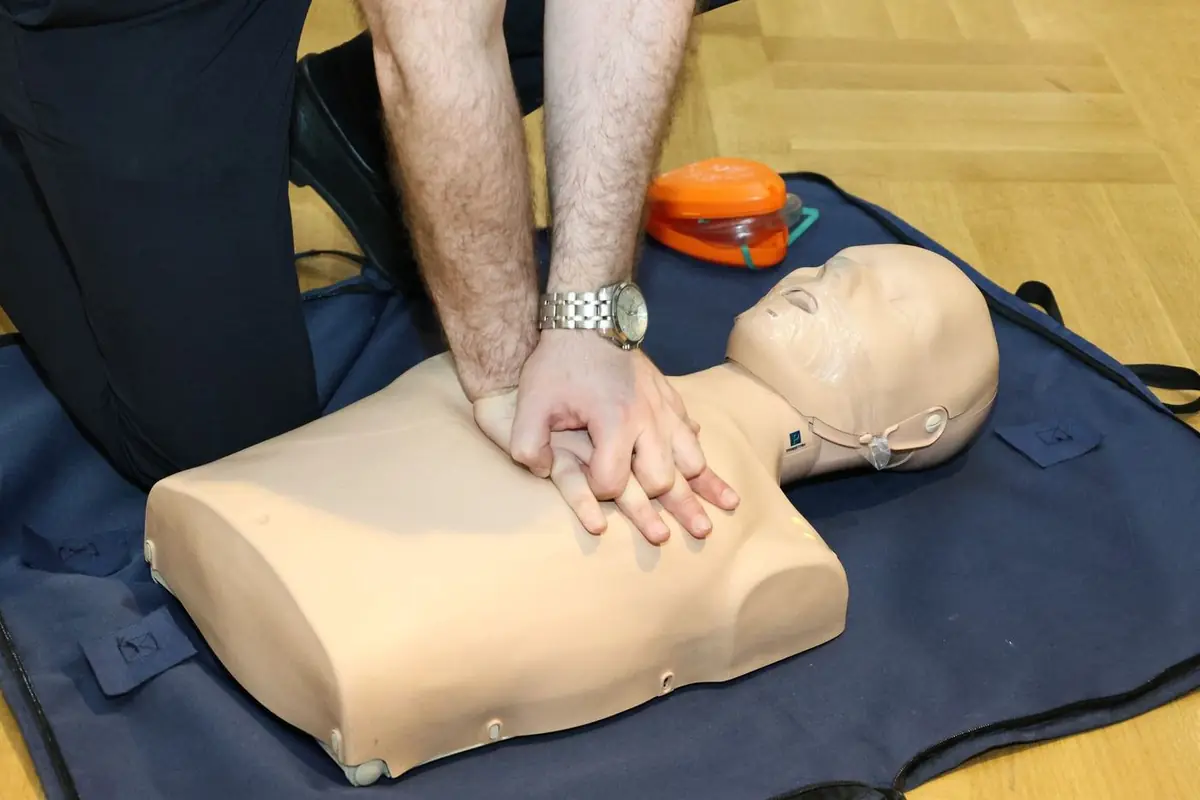
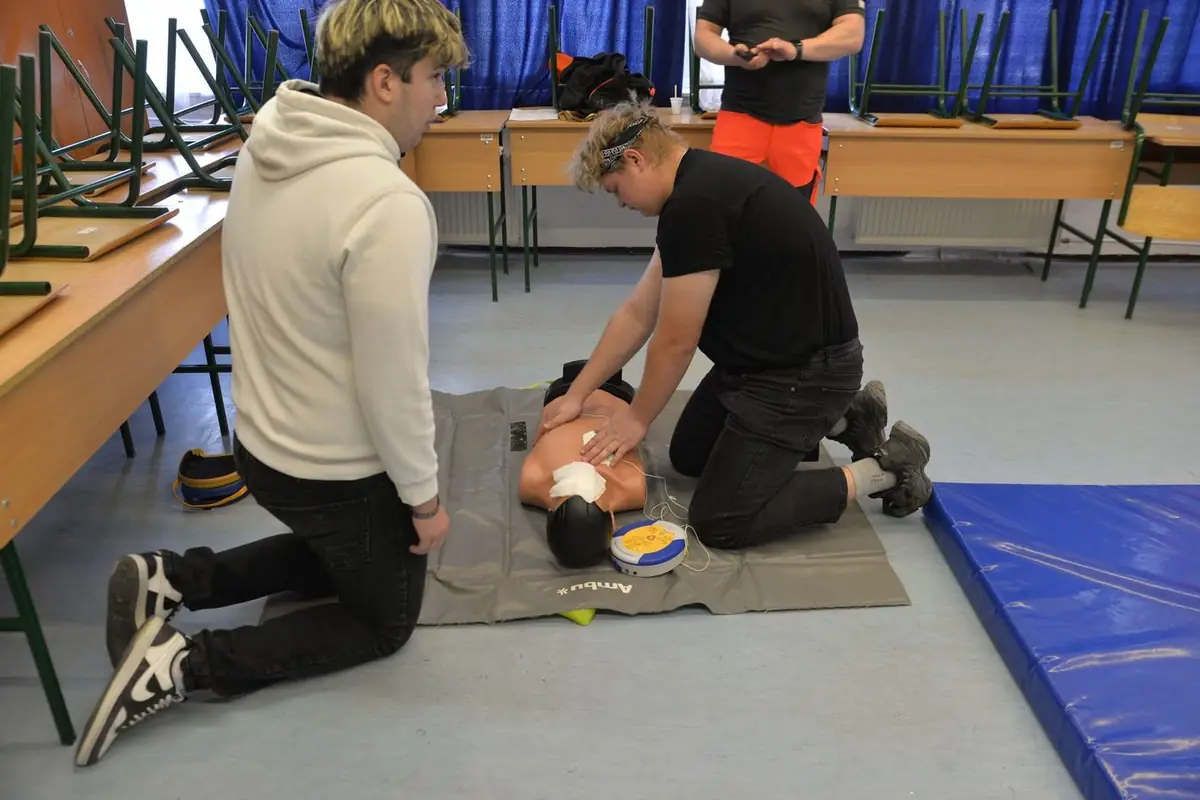
Our trainers bring real world experience from nursing, paramedicine, defence and emergency response, and every course with CPR includes hands-on practice on a manikin. Not sure which course fits? Our guide to which first aid course you need can help, or see what's on in the course calendar.
Common questions
Is an ambulance free in Queensland?
Yes. The Queensland Government confirms ambulances are free in Queensland, and interpreters are free too. Cost should never stop you calling 000.
Can I call 112 instead of 000?
From a mobile, yes. According to the Australian Government's Triple Zero information, 112 connects you to the same 000 service, but it can't be dialled from a landline or satellite phone. People who are deaf or have a hearing or speech difficulty can call 106 using a TTY through the National Relay Service.
Should I drive someone to hospital instead?
In a genuine emergency, call 000 rather than driving. Paramedics can start treatment as soon as they arrive, and the operator can guide your first aid in the meantime.
What if I call and it turns out not to be an emergency?
If you thought someone's life could be at risk, calling was the right call. Paramedics will assess the person and decide on the best care, which may mean treating them at the scene or suggesting a GP follow up.
Does first aid training teach when to call an ambulance?
Yes. Checking for danger and sending for help are early steps in the DRSABCD action plan, which is taught in nationally recognised courses such as Provide CPR and Provide First Aid.